Uptiq takes the manual effort out of intake, cash flow analysis, and underwriting so the same team decides faster on more files, with your team making every call.
A working capital line takes almost the same effort to originate as a middle-market deal, and on a small ticket that effort never pays for itself, so good applications sit in a queue while the borrower funds somewhere faster.
Lost to speed
The borrower who funded elsewhere on Thursday while your file was still waiting on a bank statement.
Upside-down economics
A $150,000 line carries the same manual effort as a deal ten times its size, and the same analyst hours.
Declined on capacity
Applications you turn away because the queue is full and the month is ending, not because the credit was bad.
The shift
Same Team. Different cost per decision.
Uptiq doesn't ask you to replace your core, LOS, or credit policy, or to change who owns the decision. It changes what it costs you to reach one.
The way it works today
The work sets your capacity
Analysts key in bank statements line by line
Files wait on documents nobody chased
More volume means a hiring plan
Speed comes at the cost of the standard
The way it works with Uptiq
Your capacity sets the work
Cash flow built from statements on arrival
Missing documents chased automatically
More volume runs on the team you have
Faster decisions against the same policy
On a real application
Follow one SMB file, application to renewal.
Here's what happens from application through the life of the loan, with the file already assembled and your people deciding.
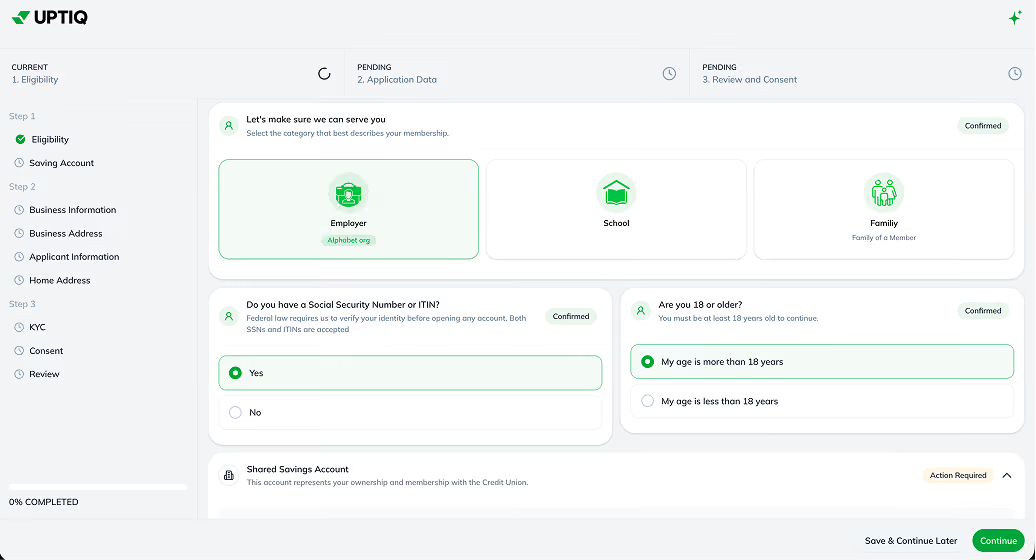
Application
Every file arrives complete.
Small business borrowers don't have a CFO assembling the package, Uptiq collects, reads, and checks documents as they arrive and underwriting opens a file that's already ready to work.
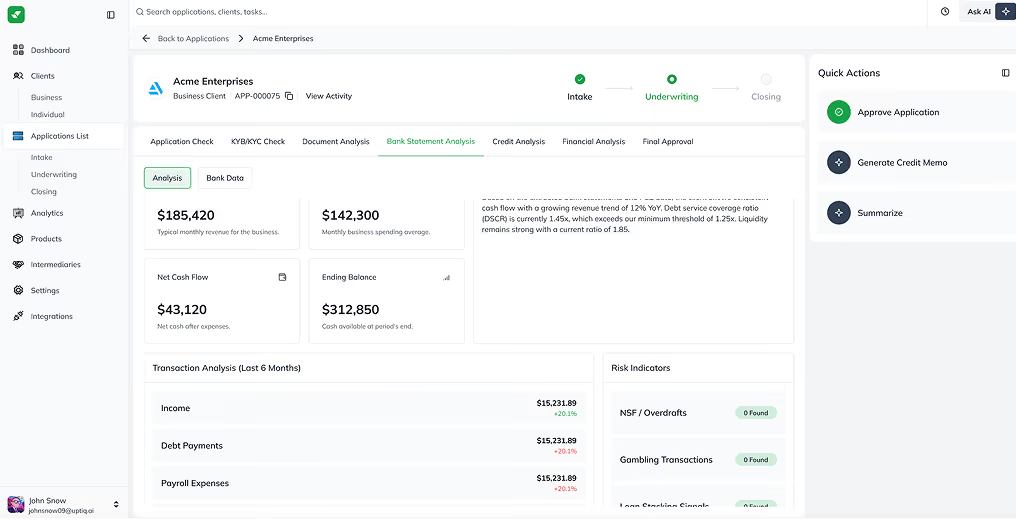
Small business credit lives in the bank statements, not the tax return, Uptiq categorizes every transaction, builds the cash flow picture, applies your policy, and drafts the recommendation, and underwriters spend their hours on judgment.
Transactions categorized and cash flow built automatically
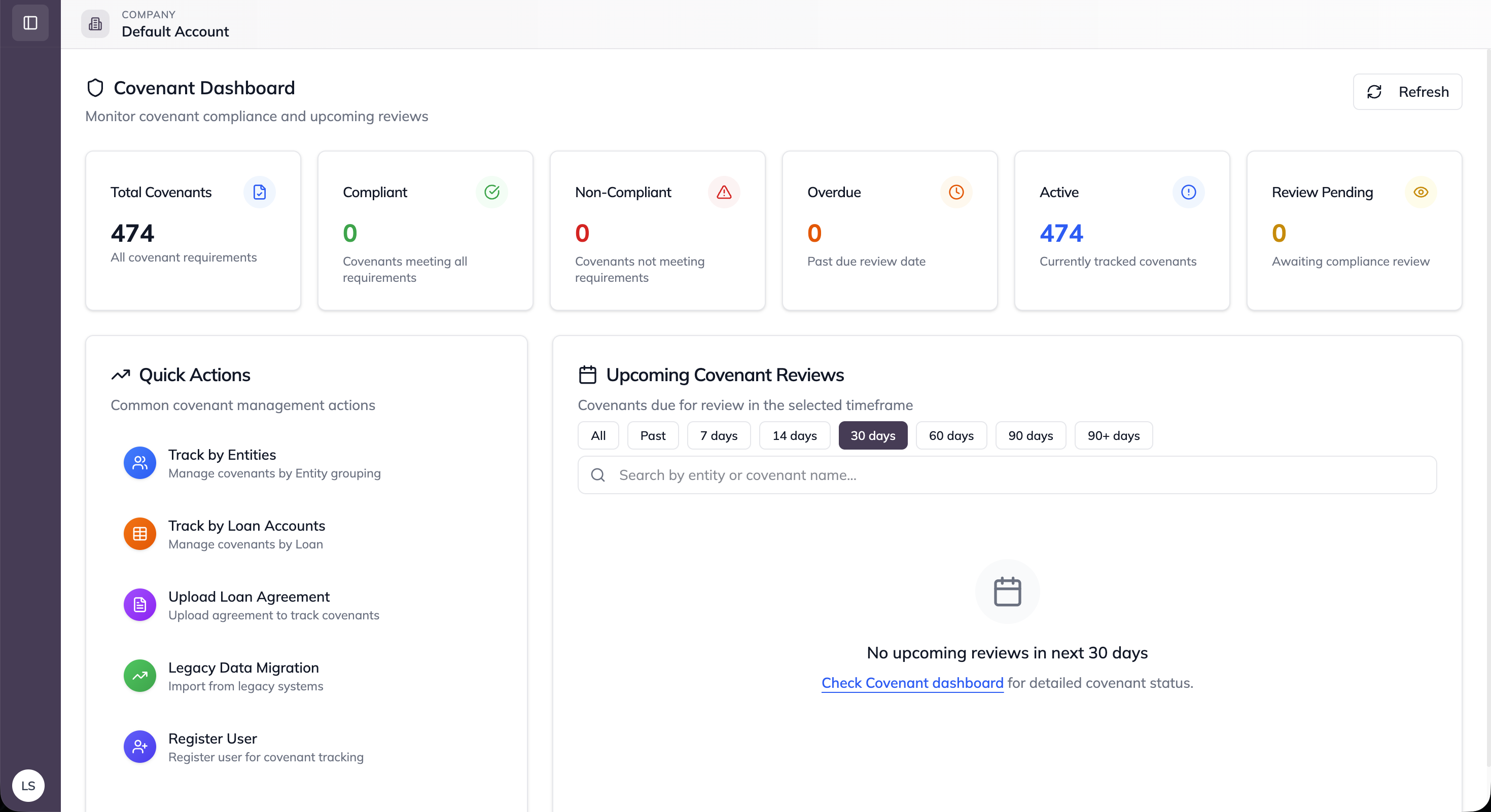
A small business turns long before a covenant does, so Uptiq watches deposit volumes, repeat overdrafts, and payroll timing across the book and flags the account the moment the pattern changes, while the loan is still workable.
As your small business lending operation evolves, extend automation beyond origination into monitoring, servicing, renewals, and other high-impact workflows—all on the same trusted platform.
One foundation powers every lending workflow—understanding financial documents, applying your credit policy, and connecting to your lending systems so you can scale with confidence.
Document AI
Understands SMB loan documents.
Extracts data from bank statements, tax returns, financials, and business documents with 95%+ accuracy.