Uptiq checks every SBA file against both your credit policy and the SOP as it builds, so no documentation gap reaches closing and turns into a guaranty repair years later.
SBA lending means satisfying and documenting two rulebooks at once, your credit policy and the SOP, where a missed form, signature, or eligibility test stays invisible until you file a claim years later and find the gap still there.
Repair at the worst moment
A documentation gap nobody caught at origination, found by the SBA at claim, when the loan has already defaulted.
Two rulebooks, one file
Credit policy and SOP checked separately, by different people, on different days, against different versions.
Packaging as the bottleneck
The deal was approved in a week, then sat three more while someone assembled the file by hand.
The shift
Both rulebooks, checked as you go.
Uptiq doesn't ask you to replace your LOS or core, or to change who makes the eligibility call.
The way it works today
Compliance is a checkpoint
Forms keyed in by hand from PDFs
SOP reviewed after credit approval
Gaps found at packaging, or at claim
Traceability rebuilt from email and folders
The way it works with Uptiq
Compliance is continuous
SBA forms read and extracted on arrival
SOP and credit policy applied together
Gaps surfaced while the file is still open
Every field linked to its source document
On a real application
What a clean guaranty file actually contains.
The same work every SBA file carries, now handled before it reaches your team. Here's what that looks like from the moment an application arrives through the package that goes to closing, with your lenders reviewing and deciding at every step.
Intake
Every form read. Every gap named.
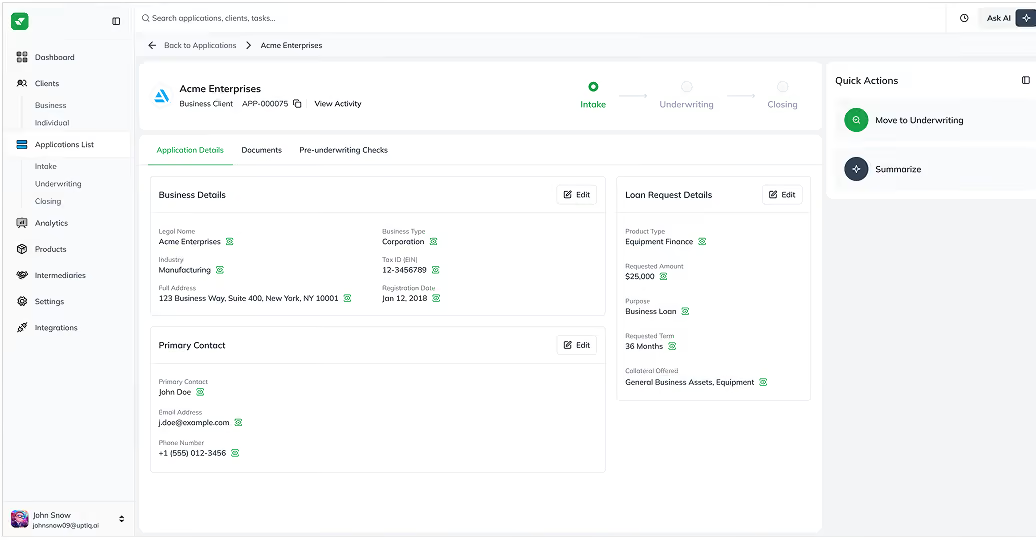
Uptiq reads every form, return, and financial statement in an SBA package as it arrives, extracts and cross-checks the fields, and tells the borrower what's still missing before a lender ever opens the file.
SBA forms and tax returns extracted automatically
Completeness checked against program requirements
Missing items requested from the borrower directly
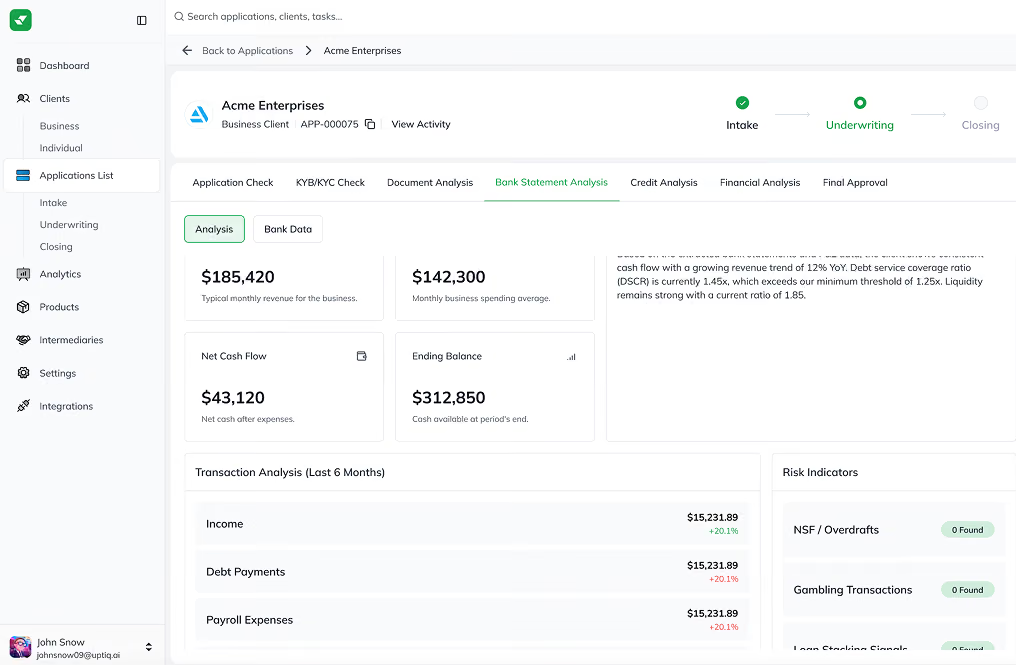
Uptiq runs every SBA application against your credit policy and eligibility requirements at once, so a use-of-proceeds or affiliation problem surfaces in week one instead of week three, while there's still time to fix it.
Credit policy and SBA eligibility applied together
Uptiq links every field, ratio, and recommendation back to its source document, so the file that closes is the file that can prove itself in a guaranty review years later, long after the people who built it have moved on.
Every field linked to its source document
Credit memo and loan package drafted in your format
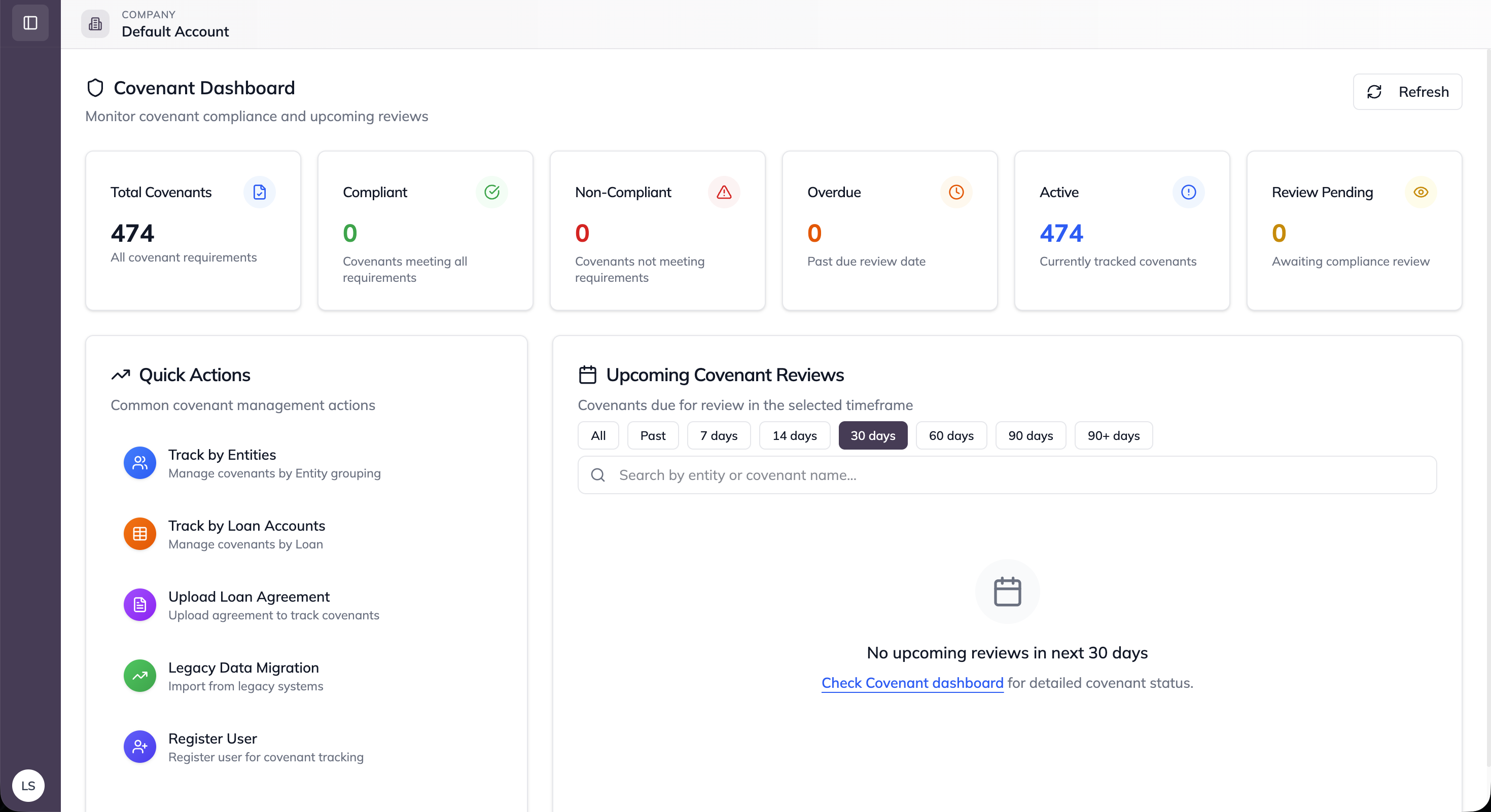
Servicing, covenant tracking, renewals, and your conventional book run on the same platform as SBA, added team by team as you prove ROI or built yourself.
The same foundation reads your documents, calculates the way SBA lenders calculate, applies both rulebooks, and connects to your systems, so what starts as one workflow becomes a file you can defend years later.
Document AI
Reads every document.
SBA forms, tax returns, and financial statements read at 95%+ accuracy.
Financial Skills
Knows the work.
Spreading, ratios, and eligibility tests, calculated the way SBA lenders calculate them.
Knowledge
Bound to your policies.
Every agent works from your credit policy and the current SOP, and only those.
Integrations
Integrations - Fits your stack.
Your LOS, core, and document repositories connected through 100+ integrations.