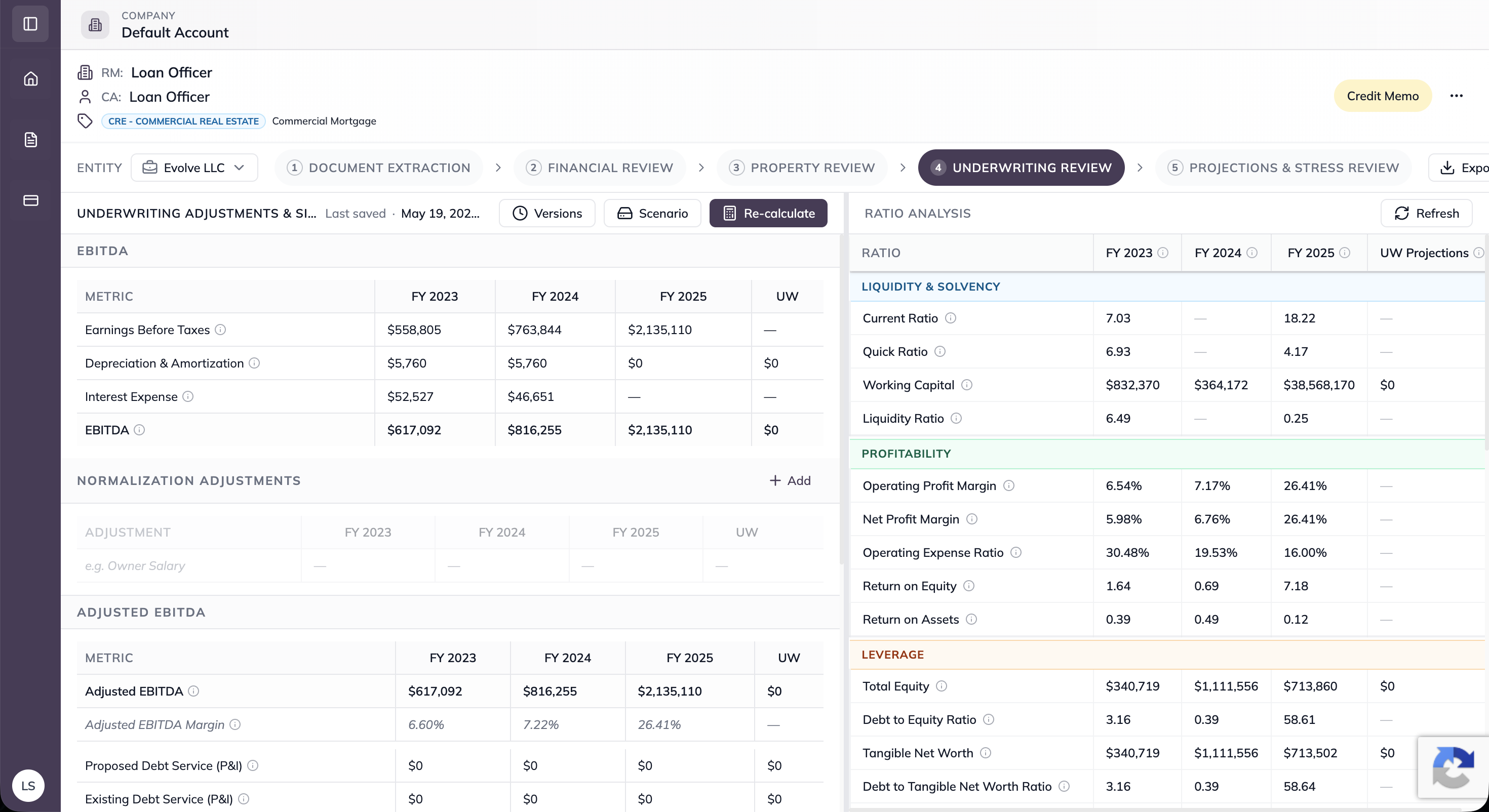
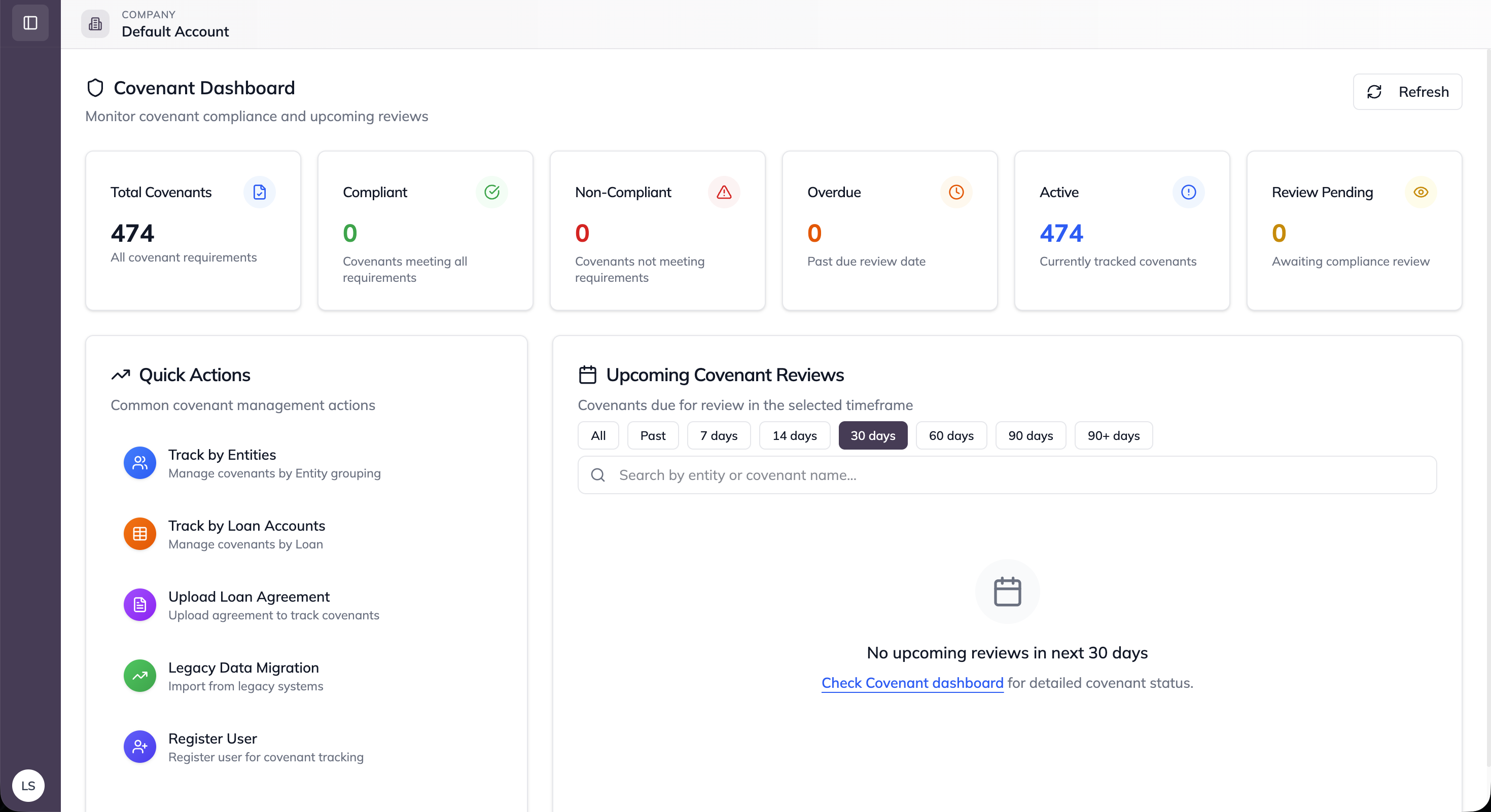
Analyze acquired customer and account data for exceptions, compliance flags, and ownership overlaps before core conversion, producing dashboards and workfiles that let your team fix problems on your timeline, not the regulator's.


Replace manual spreadsheet reviews and last-minute compliance surprises with a structured data analysis workflow that ingests the acquired extract, identifies every exception category, and delivers prioritized workfiles ready for your remediation team, weeks before conversion day.


The Uptiq M&A Customer & Account Data Analysis Agent is an AI-powered solution designed to automate the most error-prone part of merger integration: validating an acquired institution's customer and account data before core conversion. Instead of relying on integration teams to manually review extract files and build ad hoc compliance screens, the agent ingests the full extract, applies structured validation rules, and categorizes every exception, quality issues, compliance flags, potential deceased holders, and ownership overlaps, into prioritized workfiles ready for human remediation.
The result is a more defensible integration process, earlier visibility into conversion risk, and significantly less manual effort for the data and compliance teams managing the transition. By surfacing problems during due diligence rather than on conversion weekend, institutions control the remediation timeline rather than being forced into reactive fixes under regulatory pressure.
The agent supports pre-conversion due diligence by treating the acquired extract as a structured dataset to be validated against a defined set of data-quality and compliance rules, rather than a spreadsheet to be reviewed manually by an analyst who may or may not know what to look for. It applies the same exception logic to every record, regardless of extract size, and categorizes findings consistently so the integration team receives a comparable view across every merger they run.
This consistency matters because core conversions fail most often from problems that were present in the data long before conversion day but were never surfaced in time to fix. The agent compresses the discovery timeline, giving integration teams the maximum available runway to remediate data issues, negotiate transition obligations with the target institution, and prepare the combined customer file for a clean conversion.
The agent screens for four categories that carry specific BSA/AML due diligence obligations for the acquiring institution: politically exposed persons (PEPs), foreign exposed persons (FEPs), money services businesses (MSBs), and marijuana-related businesses (MRBs). Each category is exported as a separate priority workfile so the compliance team can route the relevant records to the appropriate enhanced review process.
The agent also runs obituary checks on account holders above a configurable age threshold to identify potentially deceased customers whose accounts would require probate-based handling after conversion, a category that frequently produces unclaimed property exposure when missed during integration and not caught until a subsequent examination.
Ownership overlap detection works by cross-referencing the acquired institution's customer records against the acquirer's existing customer base using configurable matching logic, name, tax identifier, address, and account number combinations to identify individuals or entities that hold accounts at both institutions. The match list produced by the agent gives the integration team a clear picture of which customers will need merged CDD files, consolidated relationship records, and potentially re-evaluated risk ratings under the combined institution's standards.
This overlap analysis is one of the most labor-intensive parts of pre-conversion due diligence when done manually, and one of the most consequential if done incompletely, missed overlaps can create fragmented compliance records that persist for years after conversion. The agent applies the matching logic consistently to the full customer population, not just a sample.
Most institutions are ready to run their first analysis within five business days. Uptiq handles extract format configuration, field mapping, exception-rule calibration, and compliance-category setup during deployment. Because the agent works from the acquired extract file rather than connecting to any live system, there is no infrastructure integration required on either side of the transaction. The extract is provided as a file, the analysis runs, and the workfiles are delivered.
For institutions running multiple acquisitions concurrently or over a rolling period, the agent is configured once and reused across each transaction, with extract-specific field mapping applied at the point of ingestion. This makes the analysis process progressively more consistent across the institution's M&A program over time.
Yes. The agent is built for the data-sensitivity requirements of financial services M&A environments. The platform includes SOC 2 Type II compliance, encrypted data handling at rest and in transit, role-based access controls that restrict extract visibility to authorized integration team members, and comprehensive audit logging of every analysis action. Acquired customer data is processed within the configured data environment and is not shared, transferred, or used for any purpose outside the defined analysis workflow.
The agent never writes to, modifies, or connects to either institution's live core banking system, all outputs are delivered as structured files and dashboards for human review. This architecture preserves the clean separation between analysis and action that integration governance frameworks and regulatory examiners expect to see documented during post-conversion review.
Manual data reviews and consultant-led spreadsheet processes are labor-intensive, inconsistently applied, and difficult to repeat at scale. They depend on the analyst knowing what to screen for, having the capacity to review every record, and being familiar enough with the acquired institution's data structure to interpret the fields correctly. The agent applies a standardized, configurable set of rules to the full extract automatically regardless of size, structure, or the analyst's familiarity with the target institution's data conventions.
The workfiles the agent produces are also structured for action rather than for further analysis, each exception category is ready for the relevant remediation team to work from immediately, without additional extraction, reformatting, or interpretation. This compresses the time between extract receipt and remediation start, which is the interval that most determines whether an integration team controls its timeline or runs out of it.
Our team handles deployment end-to-end, from configuration to go-live. Most financial institutions are live within days, and not months.